

-12%
Highnoon Labs
Contour Capsules 20mg
5 Strips
Rated 4.5 out of 5 (49)
Rs. 695Rs. 790
In Stock
Free delivery on orders above Rs. 1,500
PharmEvo
A injection containing Cefoperazone , Salbactam, indicated for Bacterial Infection.
You save Rs. 270
10 Tablets
In stock at selected branches
Total for 1 pack: Rs. 2,000
What it is used for: Bacterial Infection.
Indications as listed by the manufacturer: Monotherapy : It is indicated for the treatment of the following infections when caused by susceptible organisms:i. Respiratory tract infections (upper and lower) ii. Urinary tract infections (upper and lower) iii. Peritonitis, cholecystitis, cholangitis, and other intra-abdominal infections iv. Septicaemia v. Meningitisvi. Skin and soft tissue infections vii. Bone and joint infections viii. Pelvic inflammatory disease, endometritis, gonorrhoea, and other infections of the genital tractCombination Therapy : Because of the broad spectrum of activity of Sulbactum/ Cefoperazone, most infections can be treated adequately with this antibiotic combination alone. However, Sulbactum/Cefoperazone may also be used concomitantly with other antibiotics if such combinations are indicated. If an aminoglycoside is used, renal function should be monitored during the course of therapy.
How it works: The anti-bacterial component of sulbactam/cefoperazone is cefoperazone, a third generation cephalosporin, which acts against sensitive organisms during the stage of active multiplication by inhibiting biosynthesis of cell wall mucopeptide. Sulbactam does not possess any useful antibacterial activity, except against Neisseriaceae and Acinetobacter. However, biochemical studies with cell-free bacterial systems have shown it to be an irreversible inhibitor of most important beta-lactamases produced by beta-lactam antibiotic-resistant organisms.
Active ingredient: Cefoperazone , Salbactam.
Reported side effects: Sulbactam/cefoperazone is generally well-tolerated. The majority of adverse events are of mild or moderate severity and are tolerated with continued treatment. The most frequent side effects observed with Sulbactum/Cefoperazone have been gastrointestinal. Others include dermatologic reactions, headache, injection pain, chills, and anaphylactoid reactions.
Known drug interactions: Aminoglycoside , Alcohol.
Adults : The usual adult dose of the combination is 2 to 4 g/day (i.e, 1-2 g/day each of Cefoperazone and Sulbactam given IV or IM in equally divided doses every 12 hours. In severe or refractory infections the daily dosage may be increased to 8g (i.e, 4g/day each of Cefoperazone and Sulbactam) given IV in equally divided doses every 12 hours. The recommended maximum daily dosage of Sulbactam is 4g (8g of the combination). Children : The usual dosage in children is 40-80mg/kg/day (20 to 40 mg/kg/day each of Cefoperazone and Sulbactam) every six to twelve hours. In serious or refractory infections, these dosages may be increased up to 240mg/kg/day (160 mg/kg/day cefoperazone activity). Doses should be administered in two to four equally divided doses. Use in Neonates : For neonates in the first week of life, the drug should be given every 12 hours. The maximum daily dosage of sulbactam in paediatrics should not exceed 80 mg/kg/day . Always consult your doctor or pharmacist for dose adjustments.
Active ingredient: Cefoperazone , Salbactam.
Store this medicine at room temperature, away from direct light and heat.
Manufactured by Kors Pharmaceuticals (Pvt) Ltd.. Country of origin: Germany.
4.0
Rated 4.0 out of 542 verified ratings
Exactly what my doctor prescribed. The pharmacist called to confirm the strength before dispatch, which I appreciated.
Fine quality, wrong choice on my part — I should have asked the pharmacist first about the strength.
Fine quality, wrong choice on my part — I should have asked the pharmacist first about the strength.
Good value for the pack size. I compared prices across three sites before ordering.
Reviews are from verified Hope Pharmacy orders. We do not remove a review for being critical.
What it is used for: Bacterial Infection.
Indications as listed by the manufacturer: Monotherapy : It is indicated for the treatment of the following infections when caused by susceptible organisms:i. Respiratory tract infections (upper and lower) ii. Urinary tract infections (upper and lower) iii. Peritonitis, cholecystitis, cholangitis, and other intra-abdominal infections iv. Septicaemia v. Meningitisvi. Skin and soft tissue infections vii. Bone and joint infections viii. Pelvic inflammatory disease, endometritis, gonorrhoea, and other infections of the genital tractCombination Therapy : Because of the broad spectrum of activity of Sulbactum/ Cefoperazone, most infections can be treated adequately with this antibiotic combination alone. However, Sulbactum/Cefoperazone may also be used concomitantly with other antibiotics if such combinations are indicated. If an aminoglycoside is used, renal function should be monitored during the course of therapy.
How it works: The anti-bacterial component of sulbactam/cefoperazone is cefoperazone, a third generation cephalosporin, which acts against sensitive organisms during the stage of active multiplication by inhibiting biosynthesis of cell wall mucopeptide. Sulbactam does not possess any useful antibacterial activity, except against Neisseriaceae and Acinetobacter. However, biochemical studies with cell-free bacterial systems have shown it to be an irreversible inhibitor of most important beta-lactamases produced by beta-lactam antibiotic-resistant organisms.
Active ingredient: Cefoperazone , Salbactam.
Reported side effects: Sulbactam/cefoperazone is generally well-tolerated. The majority of adverse events are of mild or moderate severity and are tolerated with continued treatment. The most frequent side effects observed with Sulbactum/Cefoperazone have been gastrointestinal. Others include dermatologic reactions, headache, injection pain, chills, and anaphylactoid reactions.
Known drug interactions: Aminoglycoside , Alcohol.
Adults : The usual adult dose of the combination is 2 to 4 g/day (i.e, 1-2 g/day each of Cefoperazone and Sulbactam given IV or IM in equally divided doses every 12 hours. In severe or refractory infections the daily dosage may be increased to 8g (i.e, 4g/day each of Cefoperazone and Sulbactam) given IV in equally divided doses every 12 hours. The recommended maximum daily dosage of Sulbactam is 4g (8g of the combination). Children : The usual dosage in children is 40-80mg/kg/day (20 to 40 mg/kg/day each of Cefoperazone and Sulbactam) every six to twelve hours. In serious or refractory infections, these dosages may be increased up to 240mg/kg/day (160 mg/kg/day cefoperazone activity). Doses should be administered in two to four equally divided doses. Use in Neonates : For neonates in the first week of life, the drug should be given every 12 hours. The maximum daily dosage of sulbactam in paediatrics should not exceed 80 mg/kg/day . Always consult your doctor or pharmacist for dose adjustments.
Active ingredient: Cefoperazone , Salbactam.
Store this medicine at room temperature, away from direct light and heat.
Manufactured by Kors Pharmaceuticals (Pvt) Ltd.. Country of origin: Germany.
4.0
Rated 4.0 out of 542 verified ratings
Exactly what my doctor prescribed. The pharmacist called to confirm the strength before dispatch, which I appreciated.
Fine quality, wrong choice on my part — I should have asked the pharmacist first about the strength.
Fine quality, wrong choice on my part — I should have asked the pharmacist first about the strength.
Good value for the pack size. I compared prices across three sites before ordering.
Reviews are from verified Hope Pharmacy orders. We do not remove a review for being critical.
 PharmEvoKors 2gm Inj 1 SRs. 2,000Rated 4.0 out of 5
 Highnoon LabsJardin D 5mg Tablets 10sRs. 1,795Rated 4.5 out of 5
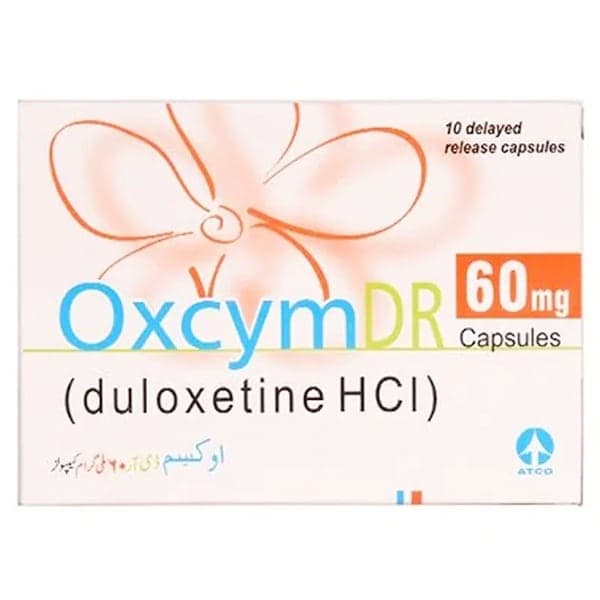 Highnoon LabsOxcym Dr Capsules 60mg 10sRs. 1,235Rated 4.5 out of 5
Bundle total
Rs. 5,030Rs. 5,565
7 min read · Hope Pharmacy Wellness Team
7 min read · Dr. Ayesha Siddiqui
8 min read · Dr. Ayesha Siddiqui
Information on this site is for general guidance and is not a substitute for professional medical advice. Always consult your doctor or pharmacist.


