

-12%
Highnoon Labs
Contour Capsules 20mg
5 Strips
Rated 4.5 out of 5 (49)
Rs. 695Rs. 790
In Stock
Free delivery on orders above Rs. 1,500
Highnoon Labs
A tablet containing Empagliflozin + Linagliptin, indicated for Diabetes.
You save Rs. 100
20 Tablets
In stock at selected branches
Total for 1 pack: Rs. 1,870
What it is used for: Diabetes.
Indications as listed by the manufacturer: Empagliflozin + Linagliptin are indicated as an adjunct to diet and exercise in adults aged 18 years and older with type 2 diabetes mellitu s: to improve glycemic control when metformin and/or sulphonylurea (SU) and monotherapy of either of Empagliflozin and Linagliptin do not provide adequate glycemic control. - when already being treated with the free combination of Empagliflozin and Linagliptin. Empagliflozin is indicated to reduce the risk of cardiovascular death in adults with type 2 diabetes mellitus and established cardiovascular disease.
How it works: Empagliflozin Sodium-glucose co-transporter 2 (SGLT2) is the predominant transporter responsible for reabsorption of glucose from the glomerular filtrate back into the circulation. Empagliflozin is an inhibitor of SGLT2. By inhibiting SGLT2, Empagliflozin reduces renal reabsorption of filtered glucose and lowers the renal threshold for glucose, and thereby increases urinary glucose excretion. Linagliptin Linagliptin is an inhibitor of DPP-4, an enzyme that degrades the incretin hormones glucagon-like peptide-1 (GLP-1) and glucose-dependent insulinotropic polypeptide (GIP). Thus, Linagliptin increases the concentrations of active incretin hormones, stimulating the release of insulin in a glucose-dependent manner and decreasing the levels of glucagon in the circulation. Both incretin hormones are involved in the physiological regulation of glucose homeostasis. GLP-1 and GIP increase insulin biosynthesis and secretion from pancreatic beta cells in the presence of normal and elevated blood glucose levels. Furthermore, GLP-1 also reduces glucagon secretion from pancreatic alpha cells, resulting in a reduction in hepatic glucose output.
Active ingredient: Empagliflozin + Linagliptin.
Reported side effects: Common: Urinary tract infection (including pyelonephritis and urosepsis), vaginal moniliasis, vulvovaginitis, balanitis and other genital infections, nasopharyngitis, hypoglycaemia (when used with sulphonylurea or insulin), thirst, cough, pruritus, rash, increased urination, amylase increased and lipase increased. Uncommon: Hypersensitivity, angioedema, urticarial, pancreatitis, volume depletion, dysuria, hematocrit increased, serum lipids increased and blood creatinine increased/glomerular filtration rate decreased. Not known: Necrotising fasciitis of the perineum (Fournier´s gangrene) and bullous pemphigoid.
Known drug interactions: Diuretics : Coadministration of Empagliflozin with diuretics resulted in increased urine volume and frequency of voids, which might enhance the potential for volume depletion. Before initiating Empagliflozin + Linagliptin , assess volume status and renal function. In patients with volume depletion, correct this condition before initiating therapy. Monitor for signs and symptoms of volume depletion and renal function after initiating therapy. Interference with 1,5-anhydroglucitol (1,5-AG) Assay Measurements of 1,5-AG are unreliable in assessing glycemic control in patients taking SGLT2 inhibitors. Monitoring glycemic control with 1,5-AG assay is not recommended. Use alternative methods to monitor glycemic control. Inducers of P-glycoprotein or CYP3A4 Enzymes Rifampin decreased Linagliptin exposure, suggesting that the efficacy of Linagliptin may be reduced when administered in combination with a strong P-gp or CYP3A4 inducer. Use of alternative treatments is strongly recommended when Linagliptin is to be administered with a strong P-gp or CYP3A4 inducer.
The recommended starting dose of Empagliflozin + Linagliptin is 10mg Empagliflozin + 5mg Linagliptin once daily in the morning. It may be increased to 25mg Empagliflozin+ 5mg Linagliptin once daily for additional glycemic control. In patients already on Empagliflozin and Linagliptin, the dose of Empagliflozin + Linagliptin should provide the dose of Empagliflozin and Linagliptin similar to the dose already been taken by the patient .
Active ingredient: Empagliflozin + Linagliptin. Labelled strength: 5mg+25mg.
Store this medicine at room temperature, away from direct light and heat.
Manufactured by Empaphage Pharmaceuticals (Pvt) Ltd.. Country of origin: Germany.
4.0
Rated 4.0 out of 519 verified ratings
The product is genuine but did not suit me personally. Customer service handled the return without any argument.
Been using this for a few months now. Ordering here is cheaper than my local shop and the packing is always careful.
Rider was on time and the item was properly bubble-wrapped. No complaints.
Product is fine and authentic. Delivery took a day longer than the slot I picked.
Reviews are from verified Hope Pharmacy orders. We do not remove a review for being critical.
What it is used for: Diabetes.
Indications as listed by the manufacturer: Empagliflozin + Linagliptin are indicated as an adjunct to diet and exercise in adults aged 18 years and older with type 2 diabetes mellitu s: to improve glycemic control when metformin and/or sulphonylurea (SU) and monotherapy of either of Empagliflozin and Linagliptin do not provide adequate glycemic control. - when already being treated with the free combination of Empagliflozin and Linagliptin. Empagliflozin is indicated to reduce the risk of cardiovascular death in adults with type 2 diabetes mellitus and established cardiovascular disease.
How it works: Empagliflozin Sodium-glucose co-transporter 2 (SGLT2) is the predominant transporter responsible for reabsorption of glucose from the glomerular filtrate back into the circulation. Empagliflozin is an inhibitor of SGLT2. By inhibiting SGLT2, Empagliflozin reduces renal reabsorption of filtered glucose and lowers the renal threshold for glucose, and thereby increases urinary glucose excretion. Linagliptin Linagliptin is an inhibitor of DPP-4, an enzyme that degrades the incretin hormones glucagon-like peptide-1 (GLP-1) and glucose-dependent insulinotropic polypeptide (GIP). Thus, Linagliptin increases the concentrations of active incretin hormones, stimulating the release of insulin in a glucose-dependent manner and decreasing the levels of glucagon in the circulation. Both incretin hormones are involved in the physiological regulation of glucose homeostasis. GLP-1 and GIP increase insulin biosynthesis and secretion from pancreatic beta cells in the presence of normal and elevated blood glucose levels. Furthermore, GLP-1 also reduces glucagon secretion from pancreatic alpha cells, resulting in a reduction in hepatic glucose output.
Active ingredient: Empagliflozin + Linagliptin.
Reported side effects: Common: Urinary tract infection (including pyelonephritis and urosepsis), vaginal moniliasis, vulvovaginitis, balanitis and other genital infections, nasopharyngitis, hypoglycaemia (when used with sulphonylurea or insulin), thirst, cough, pruritus, rash, increased urination, amylase increased and lipase increased. Uncommon: Hypersensitivity, angioedema, urticarial, pancreatitis, volume depletion, dysuria, hematocrit increased, serum lipids increased and blood creatinine increased/glomerular filtration rate decreased. Not known: Necrotising fasciitis of the perineum (Fournier´s gangrene) and bullous pemphigoid.
Known drug interactions: Diuretics : Coadministration of Empagliflozin with diuretics resulted in increased urine volume and frequency of voids, which might enhance the potential for volume depletion. Before initiating Empagliflozin + Linagliptin , assess volume status and renal function. In patients with volume depletion, correct this condition before initiating therapy. Monitor for signs and symptoms of volume depletion and renal function after initiating therapy. Interference with 1,5-anhydroglucitol (1,5-AG) Assay Measurements of 1,5-AG are unreliable in assessing glycemic control in patients taking SGLT2 inhibitors. Monitoring glycemic control with 1,5-AG assay is not recommended. Use alternative methods to monitor glycemic control. Inducers of P-glycoprotein or CYP3A4 Enzymes Rifampin decreased Linagliptin exposure, suggesting that the efficacy of Linagliptin may be reduced when administered in combination with a strong P-gp or CYP3A4 inducer. Use of alternative treatments is strongly recommended when Linagliptin is to be administered with a strong P-gp or CYP3A4 inducer.
The recommended starting dose of Empagliflozin + Linagliptin is 10mg Empagliflozin + 5mg Linagliptin once daily in the morning. It may be increased to 25mg Empagliflozin+ 5mg Linagliptin once daily for additional glycemic control. In patients already on Empagliflozin and Linagliptin, the dose of Empagliflozin + Linagliptin should provide the dose of Empagliflozin and Linagliptin similar to the dose already been taken by the patient .
Active ingredient: Empagliflozin + Linagliptin. Labelled strength: 5mg+25mg.
Store this medicine at room temperature, away from direct light and heat.
Manufactured by Empaphage Pharmaceuticals (Pvt) Ltd.. Country of origin: Germany.
4.0
Rated 4.0 out of 519 verified ratings
The product is genuine but did not suit me personally. Customer service handled the return without any argument.
Been using this for a few months now. Ordering here is cheaper than my local shop and the packing is always careful.
Rider was on time and the item was properly bubble-wrapped. No complaints.
Product is fine and authentic. Delivery took a day longer than the slot I picked.
Reviews are from verified Hope Pharmacy orders. We do not remove a review for being critical.
 Highnoon LabsEmpaphage L 25mg 5mg Tab 14sRs. 1,870Rated 4.0 out of 5
 Highnoon LabsJardin D 5mg Tablets 10sRs. 1,795Rated 4.5 out of 5
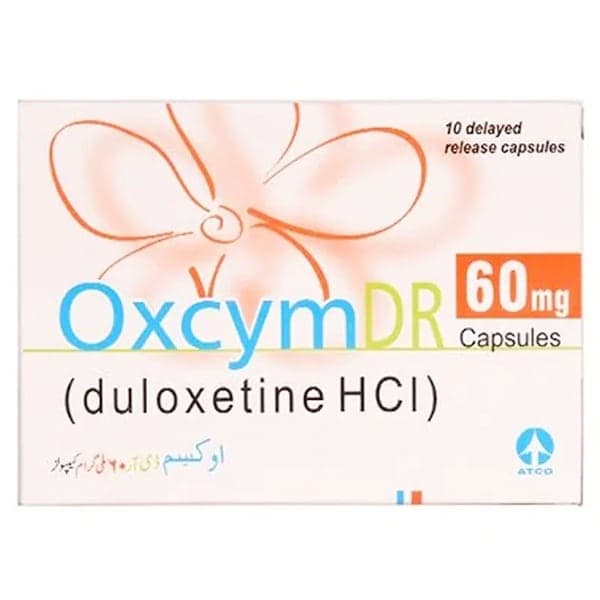 Highnoon LabsOxcym Dr Capsules 60mg 10sRs. 1,235Rated 4.5 out of 5
Bundle total
Rs. 4,900Rs. 5,265
7 min read · Hope Pharmacy Wellness Team
7 min read · Dr. Ayesha Siddiqui
8 min read · Dr. Ayesha Siddiqui
Information on this site is for general guidance and is not a substitute for professional medical advice. Always consult your doctor or pharmacist.


