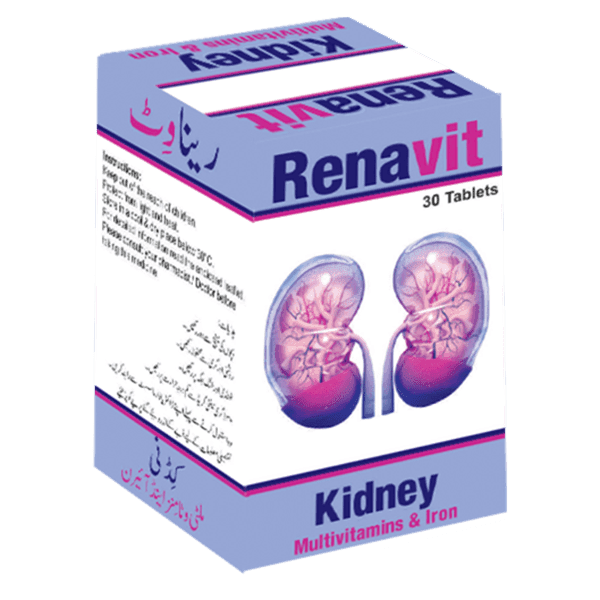
Macter
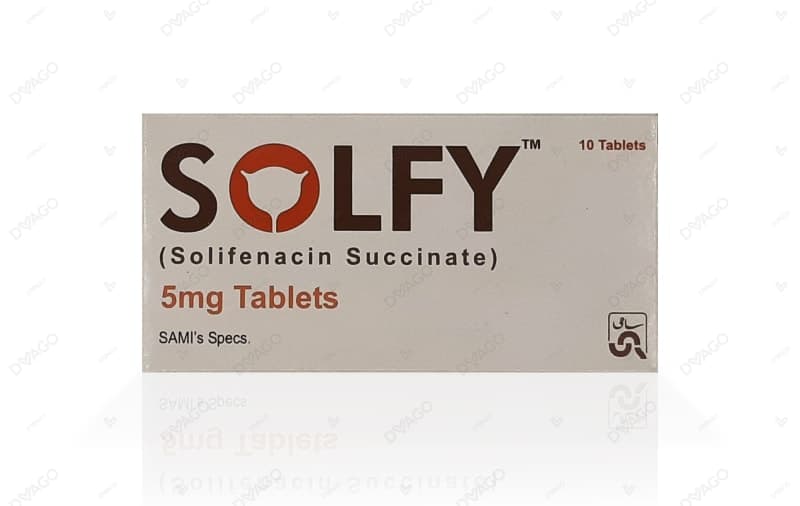
Solfy 5mg Tab
100g Cream
Rated 3.5 out of 5 (47)
Rs. 955
In Stock
Free delivery on orders above Rs. 1,500
A tablet containing Potassium Citrate, indicated for Kidney Disease.
You save Rs. 95
60 Capsules
In stock at selected branches
Total for 1 pack: Rs. 1,825
What it is used for: Kidney Disease.
Indications as listed by the manufacturer: Indicated for management of : Renal tubular acidosis (RTA) with calcium stones ; Hypocitraturic calcium oxalate nephrolithiasis of any etiology ; Uric acid lithiasis with or without calcium stones .
How it works: When given orally, the metabolism of absorbed citrate produces an alkaline load. The induced alkaline load in turn increases urinary pH and raises urinary citrate by augmenting citrate clearance without measurably altering ultra-filterable serum citrate. In addition to raising urinary pH and citrate, increases urinary potassium by approximately the amount contained in the medication. It causes a transient reduction in urinary calcium. The changes induced by potassium citrate produce urine that is less conducive to the crystallization of stone-forming salts (calcium oxalate, calcium phosphate and uric acid). Increased citrate in the urine, by complexing with calcium, decreases calcium ion activity and thus the saturation of calcium oxalate. Citrate also inhibits the spontaneous nucleation of calcium oxalate and calcium phosphate (brushite). The increase in urinary pH also decreases calcium ion activity by increasing calcium complexation to dissociated anions. The rise in urinary pH also increases the ionization of uric acid to the more soluble urate ion. Therapy does not alter the urinary saturation of calcium phosphate, since the effect of increased citrate complexation of calcium is opposed by the rise in pH-dependent dissociation of phosphate. Calcium phosphate stones are more stable in alkaline urine. In the setting of normal renal function, the rise in urinary citrate following a single dose begins by the first hour and lasts for 12 hours. With multiple doses the rise in citrate excretion reaches its peak by the third day and averts the normally wide circadian fluctuation in urinary citrate, thus maintaining urinary citrate at a higher, more constant level throughout the day. When the treatment is withdrawn, urinary citrate begins to decline toward the pre-treatment level on the first day. The rise in citrate excretion is directly dependent on the dosage. In patients with severe renal tubular acidosis or chronic diarrheal syndrome where urinary citrate may be very low (<100 mg/day), It may be relatively ineffective in raising urinary citrate. A higher dose may therefore be required to produce a satisfactory citraturic response. In patients with renal tubular acidosis in whom urinary pH may be high, it produces a relatively small rise in urinary pH.
Active ingredient: Potassium Citrate.
Reported side effects: Abdominal discomfort, vomiting, diarrhea, loose bowel movements or nausea .
Known drug interactions: Potassium-sparing diuretic (such as triamterene, spironolactone or amiloride) , drugs that slow gastrointestinal transit time such as anticholinergic .
Severe hypocitraturia: In patients with severe hypocitraturia (urinary citrate < 150 mg/day), therapy should be initiated at a dosage of 60 mEq/day (2 tablets three times a day with meals or within 30 minutes after meals or bedtime snack). Mild to moderate hypocitraturia: In patients with mild to moderate hypocitraturia (urinary citrate > 150 mg/day) therapy should be initiated at 30 mEq/day (1 tablet three times a day within 30 minutes after meals or bedtime snack). OR As directed by your physician.
Active ingredient: Potassium Citrate.
Store this medicine at room temperature, away from direct light and heat.
Manufactured by K Ston Pharmaceuticals (Pvt) Ltd.. Country of origin: Pakistan.
4.5
Rated 4.5 out of 58 verified ratings
No issues with the item itself. I would have liked a cold pack for the summer heat.
Arrived in a plain bag, nothing written on the outside. Good for something you would rather not advertise.
Good value for the pack size. I compared prices across three sites before ordering.
Been using this for a few months now. Ordering here is cheaper than my local shop and the packing is always careful.
Genuine product, sealed and well within expiry. Delivery reached Karachi the next day.
Good value for the pack size. I compared prices across three sites before ordering.
Does the job, though the pack is smaller than I expected — worth checking the size before ordering.
The product is genuine but did not suit me personally. Customer service handled the return without any argument.
Reviews are from verified Hope Pharmacy orders. We do not remove a review for being critical.
What it is used for: Kidney Disease.
Indications as listed by the manufacturer: Indicated for management of : Renal tubular acidosis (RTA) with calcium stones ; Hypocitraturic calcium oxalate nephrolithiasis of any etiology ; Uric acid lithiasis with or without calcium stones .
How it works: When given orally, the metabolism of absorbed citrate produces an alkaline load. The induced alkaline load in turn increases urinary pH and raises urinary citrate by augmenting citrate clearance without measurably altering ultra-filterable serum citrate. In addition to raising urinary pH and citrate, increases urinary potassium by approximately the amount contained in the medication. It causes a transient reduction in urinary calcium. The changes induced by potassium citrate produce urine that is less conducive to the crystallization of stone-forming salts (calcium oxalate, calcium phosphate and uric acid). Increased citrate in the urine, by complexing with calcium, decreases calcium ion activity and thus the saturation of calcium oxalate. Citrate also inhibits the spontaneous nucleation of calcium oxalate and calcium phosphate (brushite). The increase in urinary pH also decreases calcium ion activity by increasing calcium complexation to dissociated anions. The rise in urinary pH also increases the ionization of uric acid to the more soluble urate ion. Therapy does not alter the urinary saturation of calcium phosphate, since the effect of increased citrate complexation of calcium is opposed by the rise in pH-dependent dissociation of phosphate. Calcium phosphate stones are more stable in alkaline urine. In the setting of normal renal function, the rise in urinary citrate following a single dose begins by the first hour and lasts for 12 hours. With multiple doses the rise in citrate excretion reaches its peak by the third day and averts the normally wide circadian fluctuation in urinary citrate, thus maintaining urinary citrate at a higher, more constant level throughout the day. When the treatment is withdrawn, urinary citrate begins to decline toward the pre-treatment level on the first day. The rise in citrate excretion is directly dependent on the dosage. In patients with severe renal tubular acidosis or chronic diarrheal syndrome where urinary citrate may be very low (<100 mg/day), It may be relatively ineffective in raising urinary citrate. A higher dose may therefore be required to produce a satisfactory citraturic response. In patients with renal tubular acidosis in whom urinary pH may be high, it produces a relatively small rise in urinary pH.
Active ingredient: Potassium Citrate.
Reported side effects: Abdominal discomfort, vomiting, diarrhea, loose bowel movements or nausea .
Known drug interactions: Potassium-sparing diuretic (such as triamterene, spironolactone or amiloride) , drugs that slow gastrointestinal transit time such as anticholinergic .
Severe hypocitraturia: In patients with severe hypocitraturia (urinary citrate < 150 mg/day), therapy should be initiated at a dosage of 60 mEq/day (2 tablets three times a day with meals or within 30 minutes after meals or bedtime snack). Mild to moderate hypocitraturia: In patients with mild to moderate hypocitraturia (urinary citrate > 150 mg/day) therapy should be initiated at 30 mEq/day (1 tablet three times a day within 30 minutes after meals or bedtime snack). OR As directed by your physician.
Active ingredient: Potassium Citrate.
Store this medicine at room temperature, away from direct light and heat.
Manufactured by K Ston Pharmaceuticals (Pvt) Ltd.. Country of origin: Pakistan.
4.5
Rated 4.5 out of 58 verified ratings
No issues with the item itself. I would have liked a cold pack for the summer heat.
Arrived in a plain bag, nothing written on the outside. Good for something you would rather not advertise.
Good value for the pack size. I compared prices across three sites before ordering.
Been using this for a few months now. Ordering here is cheaper than my local shop and the packing is always careful.
Genuine product, sealed and well within expiry. Delivery reached Karachi the next day.
Good value for the pack size. I compared prices across three sites before ordering.
Does the job, though the pack is smaller than I expected — worth checking the size before ordering.
The product is genuine but did not suit me personally. Customer service handled the return without any argument.
Reviews are from verified Hope Pharmacy orders. We do not remove a review for being critical.
 Martin DowK Ston TabletsRs. 1,825Rated 4.5 out of 5
 Highnoon LabsJardin D 5mg Tablets 10sRs. 1,795Rated 4.5 out of 5
 Highnoon LabsContour Capsules 20mgRs. 695Rated 4.5 out of 5
Bundle total
Rs. 4,315Rs. 4,705
7 min read · Hope Pharmacy Wellness Team
7 min read · Dr. Ayesha Siddiqui
8 min read · Dr. Ayesha Siddiqui
Information on this site is for general guidance and is not a substitute for professional medical advice. Always consult your doctor or pharmacist.
You might also like