-10%
Barrett Hodgson
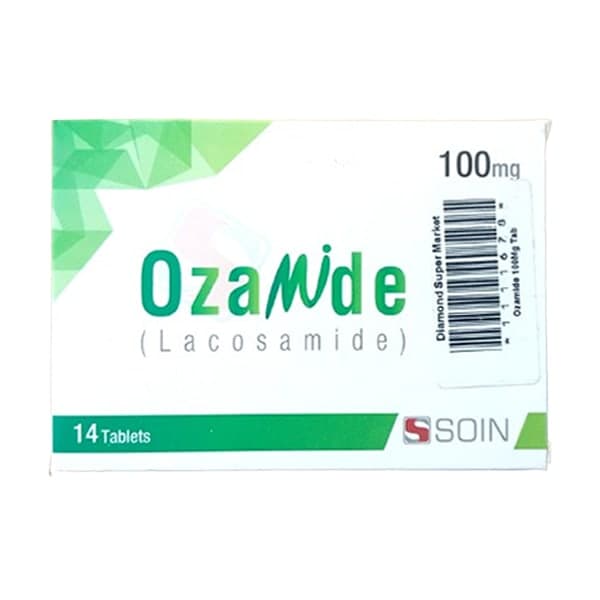
Ozamide 100mg Tablets 14s
50g Cream
Rated 4.0 out of 5 (46)
Rs. 1,825Rs. 2,025
In Stock
Free delivery on orders above Rs. 1,500
Pfizer
A tablet containing Levetiracetam, indicated for Epilepsy.
You save Rs. 210
1 Device
In stock at selected branches
Total for 1 pack: Rs. 1,175
What it is used for: Epilepsy.
Indications as listed by the manufacturer: Levetiracetam Tablet is indicated as : Monotherapy : In the treatment of partial onset seizures with or without secondary generalization in adults and adolescents from 16 years of age with newly diagnosed epilepsy. Adjunctive Therapy : In the treatment of partial onset seizures with or without secondary generalization in adults, adolescents and childrens 6 years of age or above with epilepsy. In the treatment of myoclonic seizures in adults and adolescents from 12 years of age with Juvenile Myoclonic Epilepsy. In the treatment of primary generalized tonic-clonic seizures in adults and adolescents from 6 years of age with Idiopathic Generalized Epilepsy .
How it works: The mechanism of action of levetiracetam still remains to be fully elucidated. In vitro studies show that levetiracetam affects intraneuronal Ca2+ levels by partial inhibition of N- type Ca2+ currents and by reducing the release of Ca2+ from intraneuronal stores. In addition it partially reverses the reductions in GABA- and glycine-gated currents induced by zinc and β-carbolines. Furthermore, levetiracetam has been shown in in vitro studies to bind to a specific site in rodent brain tissue. This binding site is the synaptic vesicle protein 2A, believed to be involved in vesicle fusion and neurotransmitter exocytosis. Levetiracetam and related analogs show a rank order of affinity for binding to the synaptic vesicle protein 2A which correlates with the potency of their anti-seizure protection in the mouse audiogenic model of epilepsy. This finding suggests that the interaction between levetiracetam and the synaptic vesicle protein 2A seems to contribute to the antiepileptic mechanism of action of the medicinal product
Active ingredient: Levetiracetam.
Reported side effects: Very common : Nasopharyngitis, somnolence and headache. Common: Anorexia, depression, hostility/aggression, anxiety, insomnia, nervousness/irritability, convulsion, balance disorder, dizziness, lethargy, tremor, vertigo, cough, abdominal pain, diarrhoea, dyspepsia, vomiting, nausea, rash and asthenia/fatigue. Uncommon : Thrombocytopenia, leucopenia, weight decrease, weight increase, suicide attempt and suicidal ideation, psychotic disorder, abnormal behaviour, hallucination, anger, confusional state, panic attack, emotional instability/mood swings, agitation, amnesia, memory impairment, abnormal coordination/ataxia, paraesthesia, disturbance in attention, diplopia, vision blurred, liver function test abnormal, alopecia, eczema, pruritus, muscle weakness, myalgia and injury. Rare : Infection, pancytopenia, neutropenia, agranulocytopenia, drug reaction with eosinophilia and systemic symptoms (DRESS), hypersensitivity, hyponatraemia, completed suicide, personality disorder, thinking abnormal, hepatic failure, hepatitis, acute kidney injury, toxic epidermal necrolysis, Stevens-Johnson syndrome, erythema multiforme, rhabdomyolysis and blood creatine phosphokinase increased .
Known drug interactions: Probenecid : Renal clearance of ucb L057 in the presence of probenecid decreased 60%, probably related to competitive inhibition of tubular secretion of ucb. Methotrexate : Concomitant administration of levetiracetam and methotrexate has been reported to decrease methotrexate clearance, resulting in increased/prolonged blood methotrexate concentration to potentially toxic levels. Blood methotrexate and levetiracetam levels should be carefully monitored in patients treated concomitantly with the two drugs. Laxatives : There have been isolated reports of decreased levetiracetam efficacy when the osmotic laxative macrogol has been concomitantly administered with oral levetiracetam. Therefore, macrogol should not be taken orally for one hour before and for one hour after taking levetiracetam .
Monotherapy for adults and adolescents from 16 years of age : The recommended starting dose is 250mg twice daily which should be increased to an initial therapeutic dose of 500mg twice daily after two weeks. The dose can be further increased by 250mg twice daily every two weeks depending upon the clinical response. The maximum dose is 1500mg twice daily. Dosing for Partial Onset Seizures : Adults 16 Years and Older : Initiate treatment with a daily dose of 1000mg/day, given as twice-daily dosing (500mg twice daily). Additional dosing increments may be given (1000mg/day additional every 2 weeks) to a maximum recommended daily dose of 3000mg. There is no evidence that doses greater than 3000mg/day confer additional benefit. Dosing for Myoclonic Seizures in Patients 12 Years of Age and Older with Juvenile Myoclonic Epilepsy Initiate: treatment with a dose of 1000mg/day, given as twice-daily dosing (500mg twice daily). Increase the dosage by 1000mg/day every 2 weeks to the recommended daily dose of 3000mg. The effectiveness of doses lower than 3000mg/day has not been studied. Always consult your doctor or pharmacist for dose adjustments.
Active ingredient: Levetiracetam. Labelled strength: 750mg.
Store this medicine at room temperature, away from direct light and heat.
Manufactured by Xeticam Laboratories (Pvt) Ltd.. Country of origin: Switzerland.
4.5
Rated 4.5 out of 534 verified ratings
Exactly what my doctor prescribed. The pharmacist called to confirm the strength before dispatch, which I appreciated.
Good value for the pack size. I compared prices across three sites before ordering.
No issues with the item itself. I would have liked a cold pack for the summer heat.
Fine quality, wrong choice on my part — I should have asked the pharmacist first about the strength.
Exactly what my doctor prescribed. The pharmacist called to confirm the strength before dispatch, which I appreciated.
Reviews are from verified Hope Pharmacy orders. We do not remove a review for being critical.
What it is used for: Epilepsy.
Indications as listed by the manufacturer: Levetiracetam Tablet is indicated as : Monotherapy : In the treatment of partial onset seizures with or without secondary generalization in adults and adolescents from 16 years of age with newly diagnosed epilepsy. Adjunctive Therapy : In the treatment of partial onset seizures with or without secondary generalization in adults, adolescents and childrens 6 years of age or above with epilepsy. In the treatment of myoclonic seizures in adults and adolescents from 12 years of age with Juvenile Myoclonic Epilepsy. In the treatment of primary generalized tonic-clonic seizures in adults and adolescents from 6 years of age with Idiopathic Generalized Epilepsy .
How it works: The mechanism of action of levetiracetam still remains to be fully elucidated. In vitro studies show that levetiracetam affects intraneuronal Ca2+ levels by partial inhibition of N- type Ca2+ currents and by reducing the release of Ca2+ from intraneuronal stores. In addition it partially reverses the reductions in GABA- and glycine-gated currents induced by zinc and β-carbolines. Furthermore, levetiracetam has been shown in in vitro studies to bind to a specific site in rodent brain tissue. This binding site is the synaptic vesicle protein 2A, believed to be involved in vesicle fusion and neurotransmitter exocytosis. Levetiracetam and related analogs show a rank order of affinity for binding to the synaptic vesicle protein 2A which correlates with the potency of their anti-seizure protection in the mouse audiogenic model of epilepsy. This finding suggests that the interaction between levetiracetam and the synaptic vesicle protein 2A seems to contribute to the antiepileptic mechanism of action of the medicinal product
Active ingredient: Levetiracetam.
Reported side effects: Very common : Nasopharyngitis, somnolence and headache. Common: Anorexia, depression, hostility/aggression, anxiety, insomnia, nervousness/irritability, convulsion, balance disorder, dizziness, lethargy, tremor, vertigo, cough, abdominal pain, diarrhoea, dyspepsia, vomiting, nausea, rash and asthenia/fatigue. Uncommon : Thrombocytopenia, leucopenia, weight decrease, weight increase, suicide attempt and suicidal ideation, psychotic disorder, abnormal behaviour, hallucination, anger, confusional state, panic attack, emotional instability/mood swings, agitation, amnesia, memory impairment, abnormal coordination/ataxia, paraesthesia, disturbance in attention, diplopia, vision blurred, liver function test abnormal, alopecia, eczema, pruritus, muscle weakness, myalgia and injury. Rare : Infection, pancytopenia, neutropenia, agranulocytopenia, drug reaction with eosinophilia and systemic symptoms (DRESS), hypersensitivity, hyponatraemia, completed suicide, personality disorder, thinking abnormal, hepatic failure, hepatitis, acute kidney injury, toxic epidermal necrolysis, Stevens-Johnson syndrome, erythema multiforme, rhabdomyolysis and blood creatine phosphokinase increased .
Known drug interactions: Probenecid : Renal clearance of ucb L057 in the presence of probenecid decreased 60%, probably related to competitive inhibition of tubular secretion of ucb. Methotrexate : Concomitant administration of levetiracetam and methotrexate has been reported to decrease methotrexate clearance, resulting in increased/prolonged blood methotrexate concentration to potentially toxic levels. Blood methotrexate and levetiracetam levels should be carefully monitored in patients treated concomitantly with the two drugs. Laxatives : There have been isolated reports of decreased levetiracetam efficacy when the osmotic laxative macrogol has been concomitantly administered with oral levetiracetam. Therefore, macrogol should not be taken orally for one hour before and for one hour after taking levetiracetam .
Monotherapy for adults and adolescents from 16 years of age : The recommended starting dose is 250mg twice daily which should be increased to an initial therapeutic dose of 500mg twice daily after two weeks. The dose can be further increased by 250mg twice daily every two weeks depending upon the clinical response. The maximum dose is 1500mg twice daily. Dosing for Partial Onset Seizures : Adults 16 Years and Older : Initiate treatment with a daily dose of 1000mg/day, given as twice-daily dosing (500mg twice daily). Additional dosing increments may be given (1000mg/day additional every 2 weeks) to a maximum recommended daily dose of 3000mg. There is no evidence that doses greater than 3000mg/day confer additional benefit. Dosing for Myoclonic Seizures in Patients 12 Years of Age and Older with Juvenile Myoclonic Epilepsy Initiate: treatment with a dose of 1000mg/day, given as twice-daily dosing (500mg twice daily). Increase the dosage by 1000mg/day every 2 weeks to the recommended daily dose of 3000mg. The effectiveness of doses lower than 3000mg/day has not been studied. Always consult your doctor or pharmacist for dose adjustments.
Active ingredient: Levetiracetam. Labelled strength: 750mg.
Store this medicine at room temperature, away from direct light and heat.
Manufactured by Xeticam Laboratories (Pvt) Ltd.. Country of origin: Switzerland.
4.5
Rated 4.5 out of 534 verified ratings
Exactly what my doctor prescribed. The pharmacist called to confirm the strength before dispatch, which I appreciated.
Good value for the pack size. I compared prices across three sites before ordering.
No issues with the item itself. I would have liked a cold pack for the summer heat.
Fine quality, wrong choice on my part — I should have asked the pharmacist first about the strength.
Exactly what my doctor prescribed. The pharmacist called to confirm the strength before dispatch, which I appreciated.
Reviews are from verified Hope Pharmacy orders. We do not remove a review for being critical.
 PfizerXeticam 750mg Tab 10sRs. 1,175Rated 4.5 out of 5
 Highnoon LabsR 5 Stomach Drops 22mlRs. 900Rated 4.5 out of 5
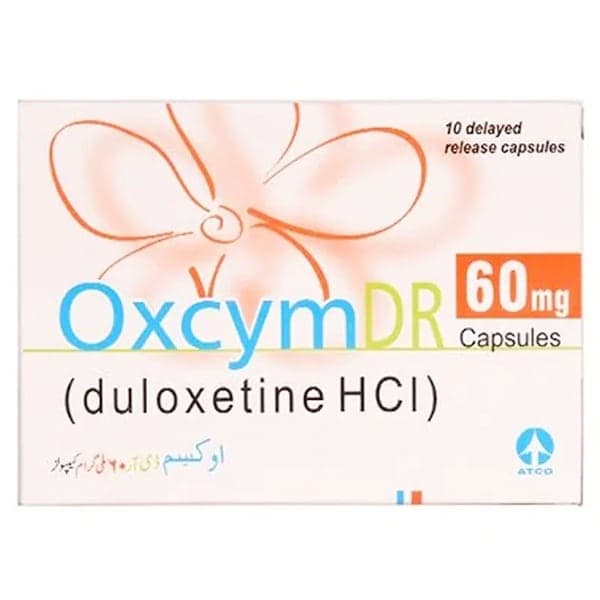 Highnoon LabsOxcym Dr Capsules 60mg 10sRs. 1,235Rated 4.5 out of 5
Bundle total
Rs. 3,310Rs. 3,585
7 min read · Hope Pharmacy Wellness Team
7 min read · Dr. Ayesha Siddiqui
8 min read · Dr. Ayesha Siddiqui
Information on this site is for general guidance and is not a substitute for professional medical advice. Always consult your doctor or pharmacist.
You might also like