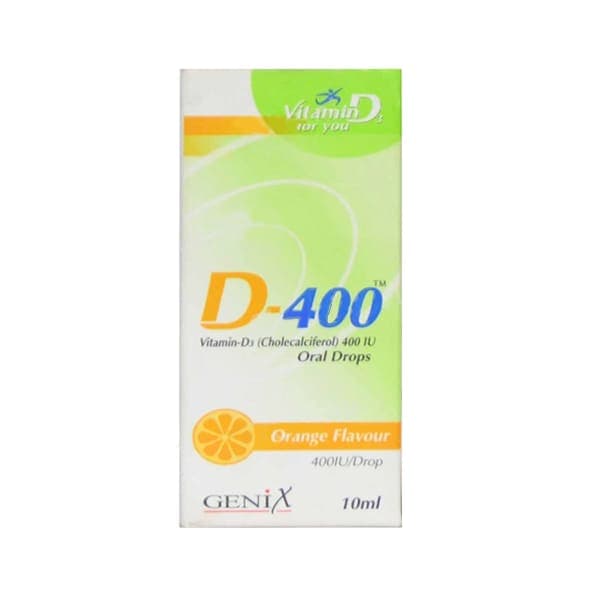

Highnoon Labs
D Zone Oral Solution 1s
20 Tablets
Rated 4.5 out of 5 (49)
Rs. 1,305
In Stock
Free delivery on orders above Rs. 1,500
A tablet containing Ivabradine, indicated for Angina.
You save Rs. 330
60ml Drops
In stock at selected branches
Total for 1 pack: Rs. 1,310
What it is used for: Angina.
Indications as listed by the manufacturer: Coronory Artery Disease (CAD) : Symptomatic treatment of chronic stable angina pectoris in coronary artery disease adults with normal sinus rhythm:- Who are unable to tolerate or have a contraindication to beta blockers, or- In combination with beta-blockers in patients inadequately controlled with an optimal beta-blocker dose and whose heart rate is > 60 bpm . Chronic Heart Failure (CHF) : Symptomatic treatment of chronic heart failure of NYHA Classes II or III and with documented left ventricular ejection fraction (LVEF) = 35% in adult patients in sinus rhythm and with heart rate at or above 77 bpm, in combination with optimal standard chronic heart failure treatment.
How it works: Ivabradine is a pure heart rate lowering agent, acting by selective and specific inhibition of the cardiac pacemaker If current that controls the spontaneous diastolic depolarization in the sinus node and regulates heart rate. The cardiac effects are specific to the sinus node with no effect on intra-atrial, atrioventricular or intraventricular conduction times, nor on myocardial contractility or ventricular repolarization.
Active ingredient: Ivabradine.
Reported side effects: The most common adverse effects seen with ivabradine are luminous phenomena in the visual field (Phosphenes). Other adverse reactions include blurred vision, bradycardia, which may be severe and other cardiac arrhythmias, nausea, constipation, diarrhea, headache, dizziness, dyspnea and muscle cramps. Hyperuricemia, eosinophilia and elevated blood creatinine concentrations have been reported.
Known drug interactions: Concomitant use with Cytochrome P450 3A4 (CYP3A4) inhibitor or inducers: CYP3A4 inhibitors increase ivabradine plasma concentrations, while inducers decrease them. Increased plasma concentrations of ivabradine may be associated with a risk of excessive bradycardia.- Moderate CYP3A4 inhibitors (e.g. diltiazem, verapamil) with heart rate reducing properties: Concomitant use of ivabradine with diltiazem and verapamil is not recommended due to the potential for additive heart rate lowering effects.- Other moderate CYP3A4 inhibitors: Ivabradine can be used with caution if resting heart rate is at or above 60 bpm and heart rate is carefully monitored.- Grapefruit Juice: Grapefruit juice increase ivabradine exposure. Therefore, the intake of grapefruit juice should be restricted during the treatment with ivabradine.- CYP3A4 inducers (e.g. rifampicin, barbiturates, phenytoin, St John's Wort): Prolonged concomitant administration of these agents with ivabradine may decrease ivabradine exposure and therefore require an adjustment of dose depending upon the therapeutic response. Concomitant use with QT-prolonging medicines: The concomitant use of cardiovascular (e.g. quinidine, disopyramide, sotalol, amiodarone) or non-cardiovascular (e.g. tricyclic antidepressants, antipsychotics, erythromycin IV, pentamidine, pimozide, mefloquine) QT prolonging medicines with ivabradine should be avoided since QT prolongation may be exacerbated by heart rate reduction. If combination appears necessary, close cardiac monitoring is needed. Concomitant use with Potassium-depleting diuretics: Hypokalemia can increase the risk of arrhythmia. As ivabradine may cause bradycardia, the resulting combination of hypokalemia and bradycardia is a predisposing factor to the onset of severe arrhythmias, especially in patients with long QT syndrome, whether congenital or substance-induced.
Ivadradine Tablets must be taken orally twice daily. i.e., once in the morning and once in the evening during meals. Treatment of Coronory Artery Disease (CAD) : The usual recommended starting dose of ivabradine is 5mg twice daily. After three to four weeks of treatment, the dose may be increased to 7.5mg twice daily depending on the therapeutic response. If, during treatment, heart rate decreases persistently below 50 beats per minute (bpm) at rest or the patient experiences symptoms related to bradycardia, the dose must be titrated downward including the possible dose of 2.5mg twice daily (one half 5mg tablet twice daily). Treatment must be discontinued if heart rate below 50bpm or symptoms of bradycardia persist. Treatment of Chronic Heart Failure (CHF) : The treatment has to be initiated only in patients with stable heart failure. The usual recommended starting dose of ivabradine is 5mg twice daily. After two weeks of treatment, the dose can be increased to 7.5mg twice daily if resting heart rate is persistently above 60 bpm or decreased to 2.5mg twice daily (one half 5mg tablet twice daily) if resting heart rate is persistently below 50bpm or in case of symptoms related to bradycardia. If heart rate is between 50bpm and 60 bpm, the dose of 5mg twice daily should be maintained. If during treatment, heart rate decreases persistently below 50 bpm at rest or the patient experiences symptoms related to bradycardia, the dose must be titrated downward to the next lower dose in patients receiving 7.5mg twice daily or 5mg twice daily. If heart rate increases persistently above 60 bpm at rest, the dose can be titrated to the next upper dose in patients receiving 2.5mg twice daily or 5mg twice daily. Treatment must be discontinued if heart rate remains below 50bpm or symptoms of bradycardia persist
Active ingredient: Ivabradine. Labelled strength: 5mg.
Store this medicine at room temperature, away from direct light and heat.
Manufactured by Coralan Pharma (Pvt) Ltd.. Country of origin: Pakistan.
4.5
Rated 4.5 out of 527 verified ratings
Rider was on time and the item was properly bubble-wrapped. No complaints. Using it twice daily as suggested and the difference is noticeable.
Second time ordering. Batch and expiry were printed clearly and matched what the site listed.
Exactly what my doctor prescribed. The pharmacist called to confirm the strength before dispatch, which I appreciated.
Arrived in a plain bag, nothing written on the outside. Good for something you would rather not advertise.
Reviews are from verified Hope Pharmacy orders. We do not remove a review for being critical.
What it is used for: Angina.
Indications as listed by the manufacturer: Coronory Artery Disease (CAD) : Symptomatic treatment of chronic stable angina pectoris in coronary artery disease adults with normal sinus rhythm:- Who are unable to tolerate or have a contraindication to beta blockers, or- In combination with beta-blockers in patients inadequately controlled with an optimal beta-blocker dose and whose heart rate is > 60 bpm . Chronic Heart Failure (CHF) : Symptomatic treatment of chronic heart failure of NYHA Classes II or III and with documented left ventricular ejection fraction (LVEF) = 35% in adult patients in sinus rhythm and with heart rate at or above 77 bpm, in combination with optimal standard chronic heart failure treatment.
How it works: Ivabradine is a pure heart rate lowering agent, acting by selective and specific inhibition of the cardiac pacemaker If current that controls the spontaneous diastolic depolarization in the sinus node and regulates heart rate. The cardiac effects are specific to the sinus node with no effect on intra-atrial, atrioventricular or intraventricular conduction times, nor on myocardial contractility or ventricular repolarization.
Active ingredient: Ivabradine.
Reported side effects: The most common adverse effects seen with ivabradine are luminous phenomena in the visual field (Phosphenes). Other adverse reactions include blurred vision, bradycardia, which may be severe and other cardiac arrhythmias, nausea, constipation, diarrhea, headache, dizziness, dyspnea and muscle cramps. Hyperuricemia, eosinophilia and elevated blood creatinine concentrations have been reported.
Known drug interactions: Concomitant use with Cytochrome P450 3A4 (CYP3A4) inhibitor or inducers: CYP3A4 inhibitors increase ivabradine plasma concentrations, while inducers decrease them. Increased plasma concentrations of ivabradine may be associated with a risk of excessive bradycardia.- Moderate CYP3A4 inhibitors (e.g. diltiazem, verapamil) with heart rate reducing properties: Concomitant use of ivabradine with diltiazem and verapamil is not recommended due to the potential for additive heart rate lowering effects.- Other moderate CYP3A4 inhibitors: Ivabradine can be used with caution if resting heart rate is at or above 60 bpm and heart rate is carefully monitored.- Grapefruit Juice: Grapefruit juice increase ivabradine exposure. Therefore, the intake of grapefruit juice should be restricted during the treatment with ivabradine.- CYP3A4 inducers (e.g. rifampicin, barbiturates, phenytoin, St John's Wort): Prolonged concomitant administration of these agents with ivabradine may decrease ivabradine exposure and therefore require an adjustment of dose depending upon the therapeutic response. Concomitant use with QT-prolonging medicines: The concomitant use of cardiovascular (e.g. quinidine, disopyramide, sotalol, amiodarone) or non-cardiovascular (e.g. tricyclic antidepressants, antipsychotics, erythromycin IV, pentamidine, pimozide, mefloquine) QT prolonging medicines with ivabradine should be avoided since QT prolongation may be exacerbated by heart rate reduction. If combination appears necessary, close cardiac monitoring is needed. Concomitant use with Potassium-depleting diuretics: Hypokalemia can increase the risk of arrhythmia. As ivabradine may cause bradycardia, the resulting combination of hypokalemia and bradycardia is a predisposing factor to the onset of severe arrhythmias, especially in patients with long QT syndrome, whether congenital or substance-induced.
Ivadradine Tablets must be taken orally twice daily. i.e., once in the morning and once in the evening during meals. Treatment of Coronory Artery Disease (CAD) : The usual recommended starting dose of ivabradine is 5mg twice daily. After three to four weeks of treatment, the dose may be increased to 7.5mg twice daily depending on the therapeutic response. If, during treatment, heart rate decreases persistently below 50 beats per minute (bpm) at rest or the patient experiences symptoms related to bradycardia, the dose must be titrated downward including the possible dose of 2.5mg twice daily (one half 5mg tablet twice daily). Treatment must be discontinued if heart rate below 50bpm or symptoms of bradycardia persist. Treatment of Chronic Heart Failure (CHF) : The treatment has to be initiated only in patients with stable heart failure. The usual recommended starting dose of ivabradine is 5mg twice daily. After two weeks of treatment, the dose can be increased to 7.5mg twice daily if resting heart rate is persistently above 60 bpm or decreased to 2.5mg twice daily (one half 5mg tablet twice daily) if resting heart rate is persistently below 50bpm or in case of symptoms related to bradycardia. If heart rate is between 50bpm and 60 bpm, the dose of 5mg twice daily should be maintained. If during treatment, heart rate decreases persistently below 50 bpm at rest or the patient experiences symptoms related to bradycardia, the dose must be titrated downward to the next lower dose in patients receiving 7.5mg twice daily or 5mg twice daily. If heart rate increases persistently above 60 bpm at rest, the dose can be titrated to the next upper dose in patients receiving 2.5mg twice daily or 5mg twice daily. Treatment must be discontinued if heart rate remains below 50bpm or symptoms of bradycardia persist
Active ingredient: Ivabradine. Labelled strength: 5mg.
Store this medicine at room temperature, away from direct light and heat.
Manufactured by Coralan Pharma (Pvt) Ltd.. Country of origin: Pakistan.
4.5
Rated 4.5 out of 527 verified ratings
Rider was on time and the item was properly bubble-wrapped. No complaints. Using it twice daily as suggested and the difference is noticeable.
Second time ordering. Batch and expiry were printed clearly and matched what the site listed.
Exactly what my doctor prescribed. The pharmacist called to confirm the strength before dispatch, which I appreciated.
Arrived in a plain bag, nothing written on the outside. Good for something you would rather not advertise.
Reviews are from verified Hope Pharmacy orders. We do not remove a review for being critical.
 SearleCoralan 5mg Tablets 56sRs. 1,310Rated 4.5 out of 5
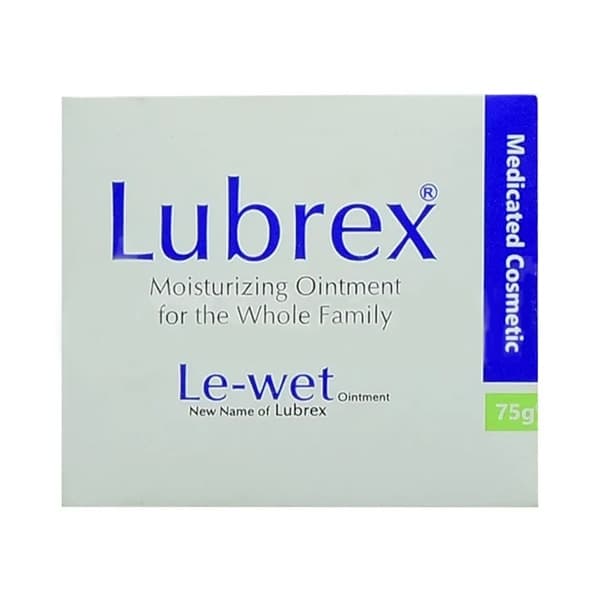 Martin DowLubrex Ointment 75gRs. 480Rated 4.5 out of 5
 MacterTreet Stainless Steel Blade BoxRs. 260Rated 4.5 out of 5
Bundle total
Rs. 2,050Rs. 2,435
Information on this site is for general guidance and is not a substitute for professional medical advice. Always consult your doctor or pharmacist.
You might also like