-12%
Searle
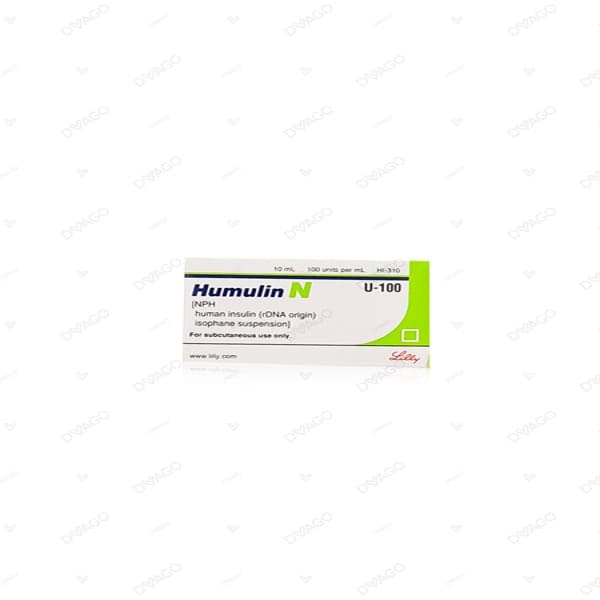
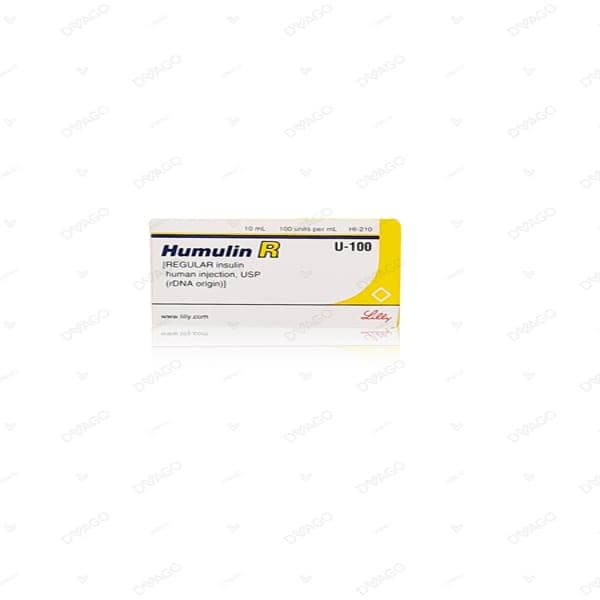
Humulin R Injection 100iu 1 Vialx10 Ml
30 Capsules
Rated 4.0 out of 5 (47)
Rs. 2,000Rs. 2,275
In Stock
Free delivery on orders above Rs. 1,500
A product containing Semaglutide, indicated for Diabetes.
You save Rs. 20
10 Tablets
In stock at selected branches
Total for 1 pack: Rs. 205
What it is used for: Diabetes.
Indications as listed by the manufacturer: Semaglutide is indicated : As an adjunct to diet and exercise to improve glycemic control in adults with type 2 diabetes mellitus . To reduce the risk of major adverse cardiovascular events (cardiovascular death, non-fatal myocardial infarction or non-fatal stroke) in adults with type 2 diabetes mellitus and established cardiovascular disease . As monotherapy when metformin is considered inappropriate due to intolerance or contraindications . In addition to other medicinal products for the treatment of diabetes .
How it works: Semaglutide is a GLP-1 analogue with 94% sequence homology to human GLP-1. Semaglutide acts as a GLP-1 receptor agonist that selectively binds to and activates the GLP-1 receptor, the target for native GLP-1. GLP-1 is a physiological hormone that has multiple actions on glucose, mediated by the GLP-1 receptors. The principal mechanism of protraction resulting in the long half-life of Semaglutide is albumin binding, which results in decreased renal clearance and protection from metabolic degradation. Furthermore, Semaglutide is stabilized against degradation by the DPP-4 enzyme. Semaglutide reduces blood glucose through a mechanism where it stimulates insulin secretion and lowers glucagon secretion, both in a glucose-dependent manner. Thus, when blood glucose is high, insulin secretion is stimulated and glucagon secretion is inhibited. The mechanism of blood glucose lowering also involves a minor delay in gastric emptying in the early postprandial phase.
Active ingredient: Semaglutide.
Reported side effects: Very Common : Hypoglycemia when used with insulin or sulfonylurea, nausea and diarrhea. Common : Hypoglycemia when used with other oral antidiabetics (OAD), decreased appetite, dizziness, diabetic retinopathy complications, vomiting, abdominal pain, abdominal distension, constipation, dyspepsia, gastritis, gastroesophageal reflux disease, eructation, flatulence, cholelithiasis, fatigue, increased lipase, increased amylase and weight decreased. Uncommon : Hypersensitivity, dysgeusia, increased heart rate, acute pancreatitis, delayed gastric emptying and injection site reactions. Rare : Anaphylactic reaction, intestinal obstruction and angioedema .
Known drug interactions: Concomitant Use with an Insulin Secretagogue (e.g., Sulfonylurea) or with Insulin : Semaglutide stimulates insulin release in the presence of elevated blood glucose concentrations. Patients receiving Semaglutide in combination with an insulin secretagogue (e.g., sulfonylurea) or insulin may have an increased risk of hypoglycemia, including severe hypoglycemia. When initiating Semaglutide, consider reducing the dose of concomitantly administered insulin secretagogue (such as sulfonylureas) or insulin to reduce the risk of hypoglycemia. Oral Medications : Semaglutide delays gastric emptying and has the potential to impact the rate of absorption of concomitantly administered oral medicinal products. Semaglutide should be used with caution in patients receiving oral medicinal products that require rapid gastrointestinal absorption. Warfarin and other coumarin derivatives : Cases of decreased INR have been reported during concomitant use of acenocoumarol and Semaglutide. Upon initiation of Semaglutide treatment in patients on warfarin or other coumarin derivatives, frequent monitoring of INR is recommended.
Start it with a 0.25 mg subcutaneous injection once weekly for 4 weeks. The 0.25 mg dose is intended for treatment initiation and is not effective for glycemic control. After 4 weeks on the 0.25 mg dose, increase the dosage to 0.5 mg once weekly. If additional glycemic control is needed after at least 4 weeks on the 0.5 mg dose, the dosage may be increased to 1 mg once weekly. The maximum recommended dosage is 1 mg once weekly. Administer it once weekly, on the same day each week, at any time of the day, with or without meals. OR As directed by your physician .
Active ingredient: Semaglutide. Labelled strength: 4mg.
Store this medicine at room temperature, away from direct light and heat.
Manufactured by Seglutide Pharma (Pvt) Ltd.. Country of origin: Pakistan.
3.5
Rated 3.5 out of 538 verified ratings
Fine quality, wrong choice on my part — I should have asked the pharmacist first about the strength.
Does the job, though the pack is smaller than I expected — worth checking the size before ordering.
Exactly what my doctor prescribed. The pharmacist called to confirm the strength before dispatch, which I appreciated.
Genuine product, sealed and well within expiry. Delivery reached Lahore the next day.
Fine quality, wrong choice on my part — I should have asked the pharmacist first about the strength.
Reviews are from verified Hope Pharmacy orders. We do not remove a review for being critical.
What it is used for: Diabetes.
Indications as listed by the manufacturer: Semaglutide is indicated : As an adjunct to diet and exercise to improve glycemic control in adults with type 2 diabetes mellitus . To reduce the risk of major adverse cardiovascular events (cardiovascular death, non-fatal myocardial infarction or non-fatal stroke) in adults with type 2 diabetes mellitus and established cardiovascular disease . As monotherapy when metformin is considered inappropriate due to intolerance or contraindications . In addition to other medicinal products for the treatment of diabetes .
How it works: Semaglutide is a GLP-1 analogue with 94% sequence homology to human GLP-1. Semaglutide acts as a GLP-1 receptor agonist that selectively binds to and activates the GLP-1 receptor, the target for native GLP-1. GLP-1 is a physiological hormone that has multiple actions on glucose, mediated by the GLP-1 receptors. The principal mechanism of protraction resulting in the long half-life of Semaglutide is albumin binding, which results in decreased renal clearance and protection from metabolic degradation. Furthermore, Semaglutide is stabilized against degradation by the DPP-4 enzyme. Semaglutide reduces blood glucose through a mechanism where it stimulates insulin secretion and lowers glucagon secretion, both in a glucose-dependent manner. Thus, when blood glucose is high, insulin secretion is stimulated and glucagon secretion is inhibited. The mechanism of blood glucose lowering also involves a minor delay in gastric emptying in the early postprandial phase.
Active ingredient: Semaglutide.
Reported side effects: Very Common : Hypoglycemia when used with insulin or sulfonylurea, nausea and diarrhea. Common : Hypoglycemia when used with other oral antidiabetics (OAD), decreased appetite, dizziness, diabetic retinopathy complications, vomiting, abdominal pain, abdominal distension, constipation, dyspepsia, gastritis, gastroesophageal reflux disease, eructation, flatulence, cholelithiasis, fatigue, increased lipase, increased amylase and weight decreased. Uncommon : Hypersensitivity, dysgeusia, increased heart rate, acute pancreatitis, delayed gastric emptying and injection site reactions. Rare : Anaphylactic reaction, intestinal obstruction and angioedema .
Known drug interactions: Concomitant Use with an Insulin Secretagogue (e.g., Sulfonylurea) or with Insulin : Semaglutide stimulates insulin release in the presence of elevated blood glucose concentrations. Patients receiving Semaglutide in combination with an insulin secretagogue (e.g., sulfonylurea) or insulin may have an increased risk of hypoglycemia, including severe hypoglycemia. When initiating Semaglutide, consider reducing the dose of concomitantly administered insulin secretagogue (such as sulfonylureas) or insulin to reduce the risk of hypoglycemia. Oral Medications : Semaglutide delays gastric emptying and has the potential to impact the rate of absorption of concomitantly administered oral medicinal products. Semaglutide should be used with caution in patients receiving oral medicinal products that require rapid gastrointestinal absorption. Warfarin and other coumarin derivatives : Cases of decreased INR have been reported during concomitant use of acenocoumarol and Semaglutide. Upon initiation of Semaglutide treatment in patients on warfarin or other coumarin derivatives, frequent monitoring of INR is recommended.
Start it with a 0.25 mg subcutaneous injection once weekly for 4 weeks. The 0.25 mg dose is intended for treatment initiation and is not effective for glycemic control. After 4 weeks on the 0.25 mg dose, increase the dosage to 0.5 mg once weekly. If additional glycemic control is needed after at least 4 weeks on the 0.5 mg dose, the dosage may be increased to 1 mg once weekly. The maximum recommended dosage is 1 mg once weekly. Administer it once weekly, on the same day each week, at any time of the day, with or without meals. OR As directed by your physician .
Active ingredient: Semaglutide. Labelled strength: 4mg.
Store this medicine at room temperature, away from direct light and heat.
Manufactured by Seglutide Pharma (Pvt) Ltd.. Country of origin: Pakistan.
3.5
Rated 3.5 out of 538 verified ratings
Fine quality, wrong choice on my part — I should have asked the pharmacist first about the strength.
Does the job, though the pack is smaller than I expected — worth checking the size before ordering.
Exactly what my doctor prescribed. The pharmacist called to confirm the strength before dispatch, which I appreciated.
Genuine product, sealed and well within expiry. Delivery reached Lahore the next day.
Fine quality, wrong choice on my part — I should have asked the pharmacist first about the strength.
Reviews are from verified Hope Pharmacy orders. We do not remove a review for being critical.
 Martin DowSeglutide Pen 4mg 1 Prefilled PenRs. 205Rated 3.5 out of 5
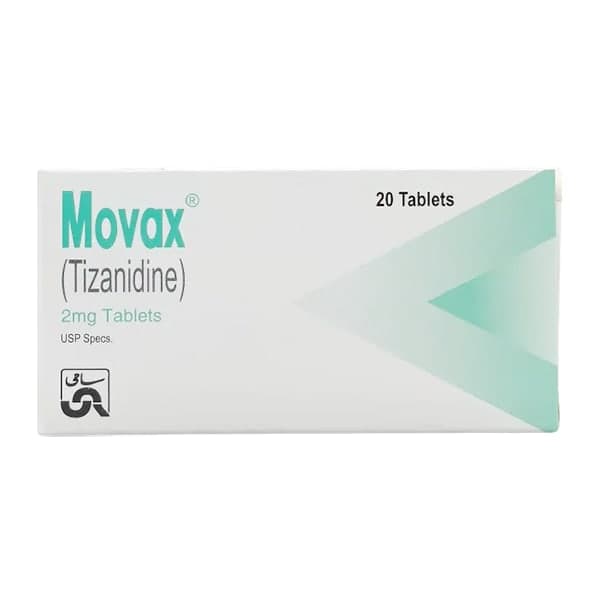 StandpharmMovax Tablets 2mg 10sRs. 164Rated 4.5 out of 5
 StandpharmLevra 250mg 30 TabletsRs. 695Rated 4.5 out of 5
Bundle total
Rs. 1,064Rs. 1,159
Information on this site is for general guidance and is not a substitute for professional medical advice. Always consult your doctor or pharmacist.
You might also like